
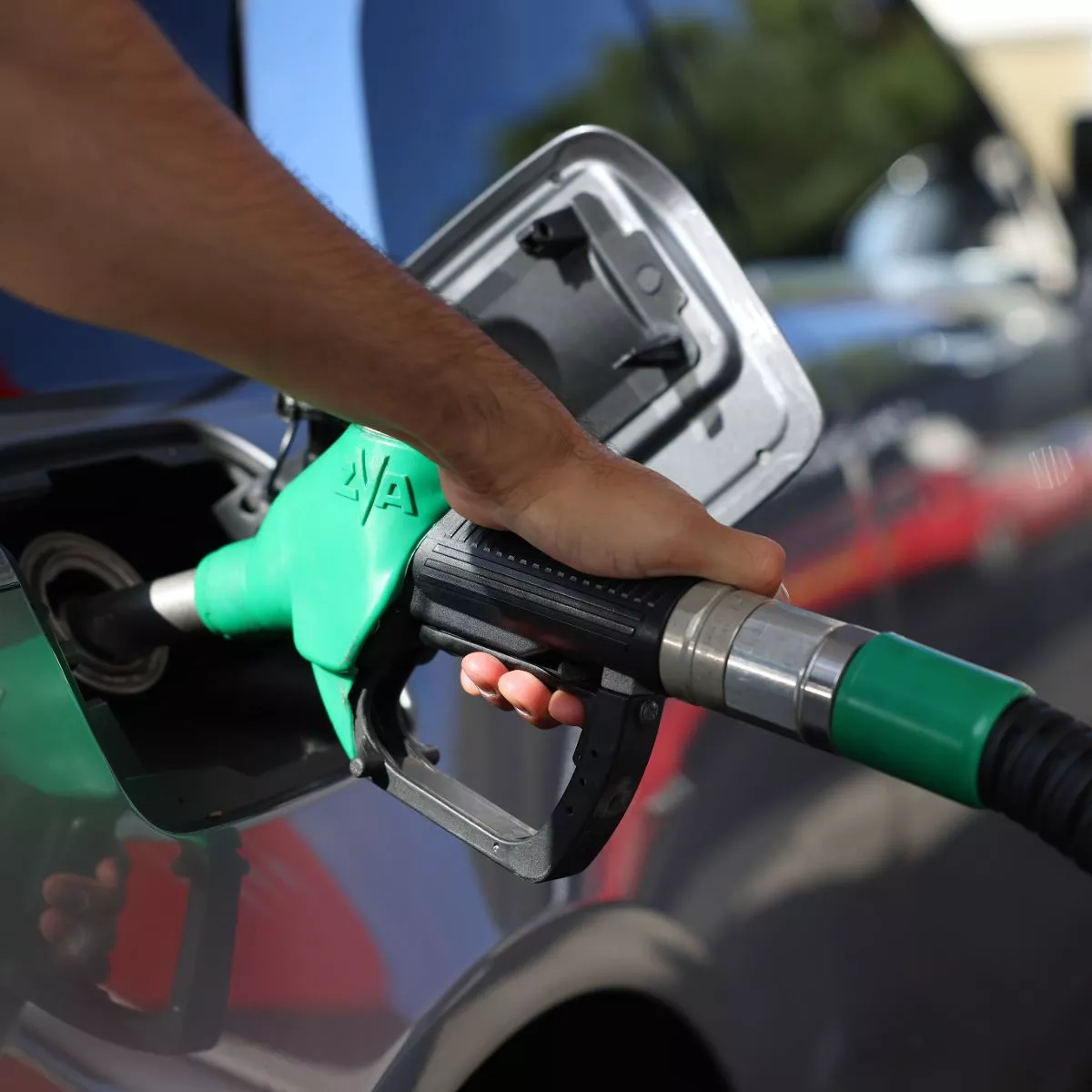
The government is gearing up to increase petroleum product prices in response to a recent surge in electricity rates. Reports suggest that the new prices could come into effect as early as March 1st. If implemented, petrol prices may witness a hike of around Rs. 4.50 per liter, while diesel prices could rise by approximately Rs. 2.50 per liter. There is also speculation about a significant increase of up to Rs. 9 per liter in both petrol and diesel prices, which could have a notable impact on consumers and the economy.
Alongside petrol and diesel, the price of kerosene oil is also expected to rise, with reports indicating an increase of Rs. 2.92 per liter. However, there are suggestions to maintain the current price of light diesel oil. These proposed adjustments are part of the government’s strategy to align domestic fuel prices with global market trends and ensure economic stability. While these measures are aimed at addressing economic challenges, they could lead to higher transportation and living costs for consumers.
The proposal for adjusting petroleum product prices is anticipated to be submitted to the Ministry of Petroleum by February 29th for approval. Once approved, the new price structure is expected to be implemented from March 1st to March 15th. This adjustment period allows for consultations with the Finance Minister to finalize the revised prices and assess their potential impact on various sectors of the economy.
Rising fuel prices can have a cascading effect on the overall cost of living, as they often result in increased prices for goods and services due to higher transportation costs. This can lead to inflationary pressures and impact the purchasing power of consumers, especially those with lower incomes. As such, any decision to raise fuel prices must be carefully considered to minimize adverse effects on the economy and the public.
While adjustments in fuel prices are necessary to reflect changes in global oil markets, they also highlight the challenges faced by governments in balancing economic considerations with the welfare of their citizens. The government’s decision to potentially increase petroleum product prices underscores the need for comprehensive energy policies that promote sustainable economic growth while mitigating the impact on vulnerable segments of society.
Want to Partnership with me? Book A Call
Popular Posts
- All Post
- Arts and Culture
- Business
- Career and Business
- Education
- Entertainment
- Finance
- Food and Cooking
- Global
- Home and Décor
- Investments
- Jobs
- Pakistan
- Parenting
- Price Update
- Science and Nature
- Sport
- Tech
- Technology
- Travelling
Welcome to our digital home!
Step into a world of insights and inspiration. Uncover fascinating stories and perspectives on our blog – your go-to destination for thought-provoking content.
Categories
Want to Partnership with me? Book A Call
Popular Posts
- All Post
- Arts and Culture
- Business
- Career and Business
- Education
- Entertainment
- Finance
- Food and Cooking
- Global
- Home and Décor
- Investments
- Jobs
- Pakistan
- Parenting
- Price Update
- Science and Nature
- Sport
- Tech
- Technology
- Travelling
Welcome to our digital home!
Step into a world of insights and inspiration. Uncover fascinating stories and perspectives on our blog – your go-to destination for thought-provoking content.

