
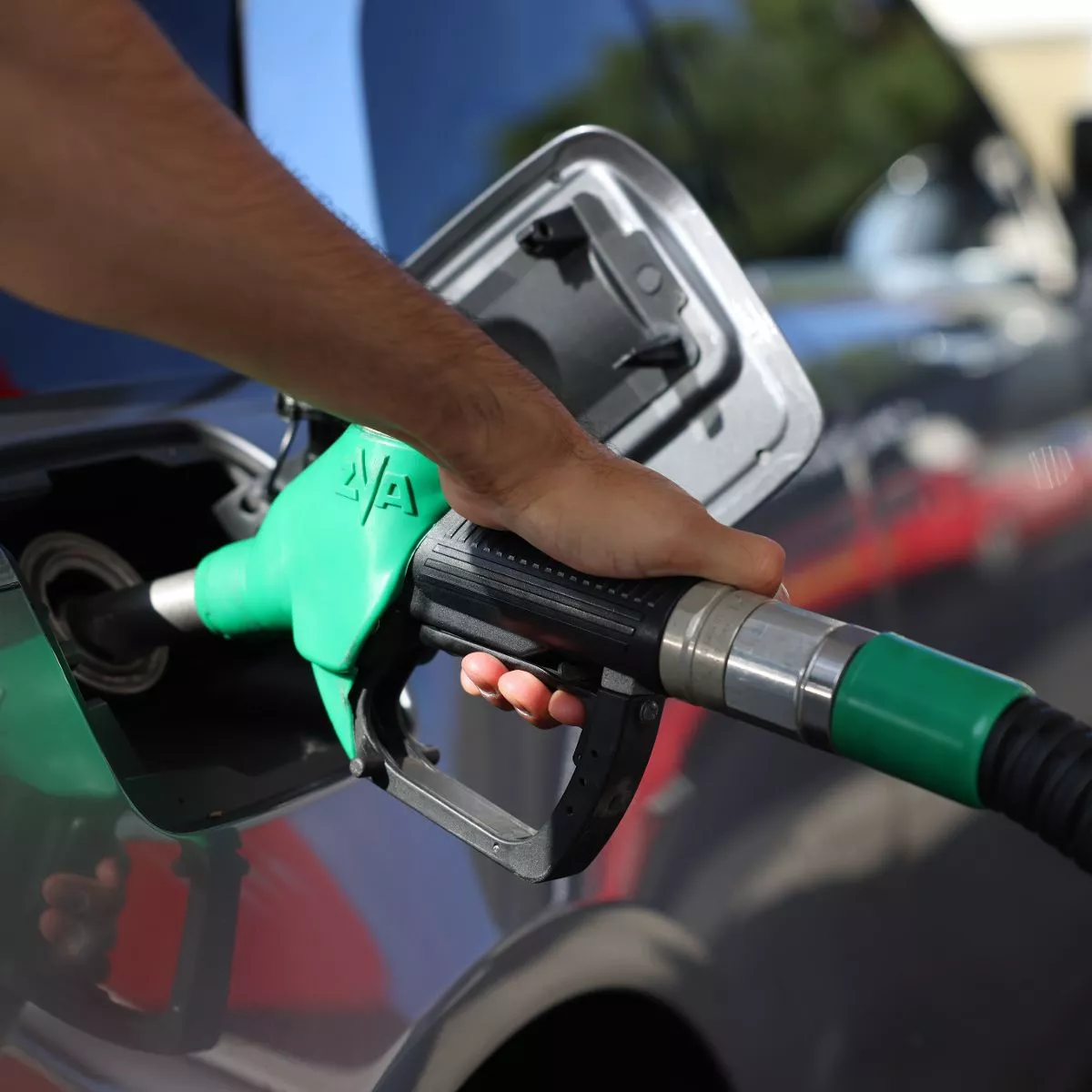
A significant rise in petrol and diesel prices is expected to hit consumers on October 16. With global oil prices surging, Pakistan is feeling the effects, as local fuel costs are set to adjust. This anticipated increase could lead to a ripple effect, impacting various industries, transportation, and household budgets. The price hike comes at a time when economic pressures are already weighing heavily on citizens.
For businesses, the expected rise in fuel costs means higher transportation and operational expenses. Logistics companies, for instance, will have to adjust their prices, passing the cost onto consumers. As a result, the prices of essential goods may also see an increase. The energy sector, heavily reliant on fuel for power generation, could also face a spike in operational costs, affecting electricity rates in the long term.
Commuters and the public transportation sector are likely to be the most directly impacted. As fuel prices rise, fares may increase, putting additional strain on daily wage earners and the working class. People who rely on private vehicles will also feel the pinch, as refueling becomes more expensive. This could lead to a shift in public behavior, with more people seeking alternative modes of transport to cut costs.
Inflationary pressures due to fuel price hikes tend to have a widespread impact on the economy. Food prices, particularly for goods that are transported over long distances, will likely increase as a result of higher logistics costs. This could further strain household budgets, with many already dealing with rising living costs. As fuel prices rise, it becomes more challenging for families to manage their expenses, especially for essentials like food and utilities.
In response to this upcoming price hike, the government may face growing pressure to provide relief or subsidies to help mitigate the impact. While global oil prices are largely out of the country’s control, measures to reduce the burden on the public could be explored. As the situation unfolds, the government will need to carefully balance revenue generation from fuel taxes with the need to shield citizens from excessive financial strain.

