
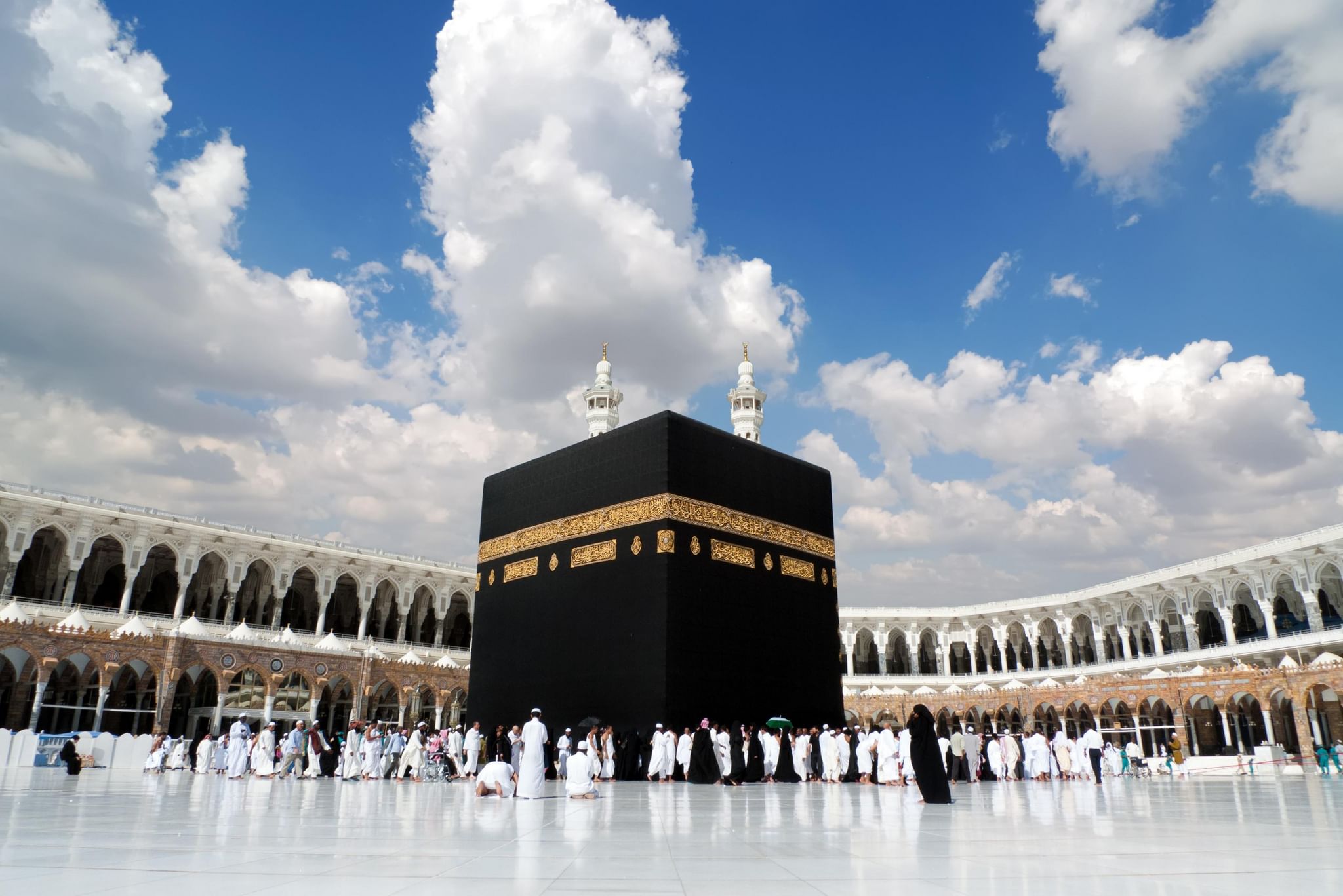
Pakistan’s Religious Affairs Minister, Chaudhry Salik Hussain, recently unveiled the new Hajj Policy for 2025, a significant development that introduces an instalment-based payment plan aimed at making the pilgrimage more financially manageable. This policy addresses the financial challenges associated with Hajj, allowing pilgrims to pay their fees in three stages. Recognizing Hajj as one of Islam’s five pillars and a lifelong aspiration for many, the policy aims to ease the journey’s financial demands for citizens.
Under this plan, Pakistan will send 179,210 pilgrims to Saudi Arabia, divided between those travelling through the official government scheme and private tour operators. The estimated cost for Hajj 2025 ranges from Rs1,075,000 to Rs1,175,000, depending on the package selected. The fees also include an additional charge of Rs55,000 for the mandatory sacrificial rites. Minister Hussain explained the instalment breakdown, with an initial payment of Rs200,000 due upon application. If selected through the official balloting process, pilgrims are required to submit Rs400,000 within ten days of the balloting results, with the remaining balance due by February 10, 2025. To ensure smooth processing, Rs50,000 will be deducted if an applicant withdraws after the first instalment, while Rs200,000 will be deducted if the third instalment is missed.
The Hajj policy also introduces a priority system favoring first-time pilgrims in the balloting process, increasing the chances for more people to experience this spiritual journey. In addition, a new travel restriction limits the participation of children under 12. To cater to diverse needs, the government offers two packages: a longer stay of 38 to 42 days and a shorter option of 20 to 25 days, allowing flexibility based on individual schedules and financial capacities.
Approved by the Pakistani government earlier this month, the Hajj Policy 2025 is a strategic step toward enhancing accessibility for Pakistani pilgrims. With Pakistan’s large Hajj quota and the new payment plan, this policy seeks to make the pilgrimage more attainable for many, fulfilling the aspirations of Muslims in Pakistan who are eager to undertake this religious obligation.

