
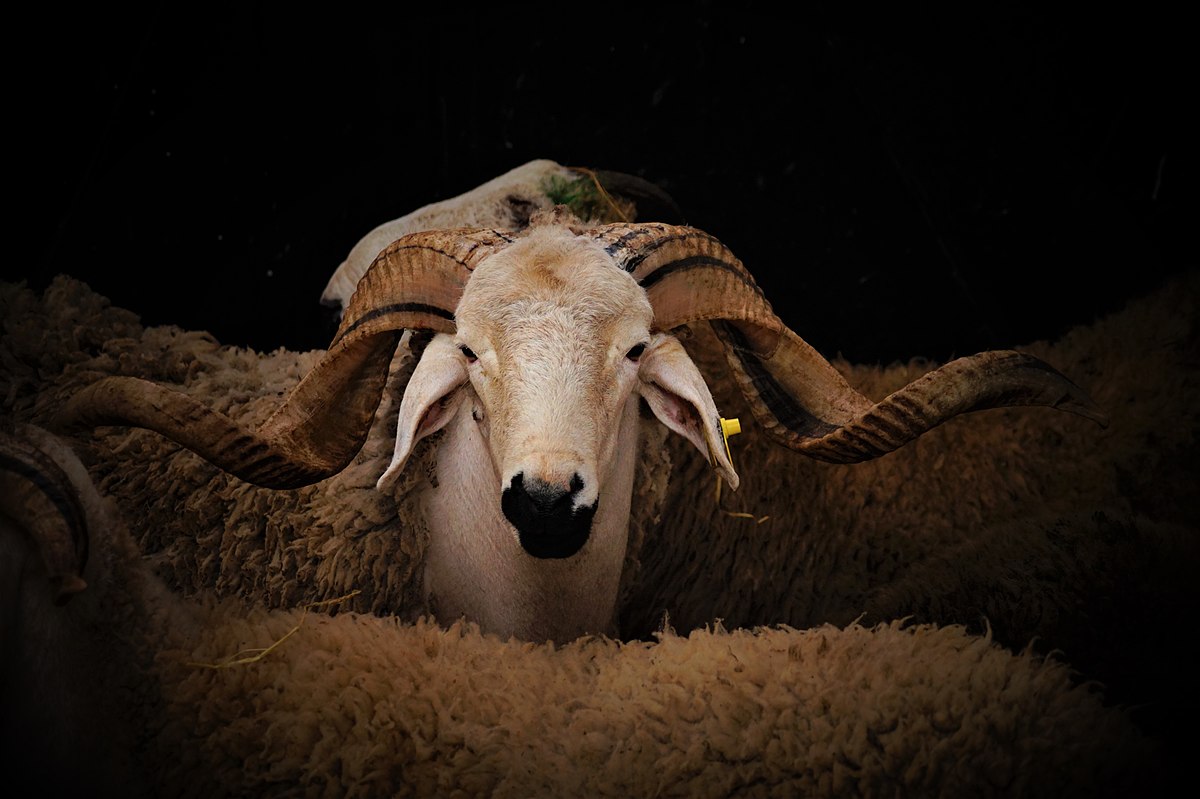
Pakistani pilgrims preparing for Hajj 2025 are set to spend an estimated Rs9.94 billion on sacrificial animals, as revealed by the Ministry of Religious Affairs (MoRA). This substantial expenditure highlights the commitment and devotion of pilgrims to fulfilling the religious obligations associated with this sacred journey. The sacrificial ritual, a central aspect of Hajj, reflects the collective efforts of the community in preserving and honoring Islamic traditions.
Each pilgrim under the government Hajj scheme is contributing Rs55,500 towards the sacrificial ritual, showcasing the organized and structured approach of the Ministry in managing this spiritual endeavor. To date, over 35,000 pilgrims participating in the government scheme have already paid Rs1.94 billion for sacrifices. These contributions emphasize the importance of preparation and collaboration in ensuring a seamless pilgrimage experience.
In 2025, a total of 179,210 pilgrims from Pakistan are expected to perform Hajj. Of this number, 89,605 individuals will travel under the government scheme, while the remaining will participate through private arrangements. The balance between government and private Hajj schemes ensures accessibility and flexibility for pilgrims from diverse backgrounds.
The expenditure on sacrificial animals not only reflects religious devotion but also highlights the economic impact of Hajj on Pakistan’s livestock industry. The demand for animals boosts local markets, benefiting farmers and traders across the country. This mutually beneficial relationship underscores the broader significance of Hajj beyond its spiritual dimensions.
With meticulous planning and a strong sense of community, Pakistani pilgrims are demonstrating their commitment to fulfilling their religious duties. The efforts of the Ministry of Religious Affairs, alongside the dedication of pilgrims, ensure that this sacred journey remains a profound and memorable experience for all participants.

